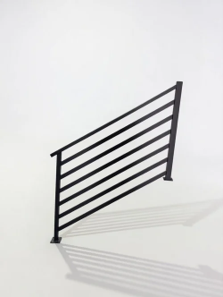
Picture a deck with three levels, a lower patio, and a few steps in between. Every edge needs a railing, and every railing must hold up for years. So which material makes sense? In our experience, custom aluminum railing solutions are one of the best answers for multi-level decks. They fit odd layouts, handle weather well, and look clean from every angle. Let’s walk through why, and how to decide if aluminum suits your space.
Why Multi-Level Decks Are Tricky for Railings
A single flat deck is simple. You measure, cut, and install. A multi-level deck is a different story. Each level has its own height, its own corners, and its own stair run. Standard kits rarely fit all of it. We have seen homeowners buy a kit and find the pieces do not line up at the second landing.
The result is gaps, extra cuts, and a lot of frustration. Upper levels also take more wind, sun, and rain. Their railings must be strong and stable, not just good-looking.
What Makes Aluminum a Smart Material for Outdoor Spaces
Aluminum is light, strong, and built for the outdoors. Here are the points we bring up most often with homeowners:
● No rust: Aluminum does not rust like steel or iron. Rain, snow, and humidity will not eat through the frame.
● Low upkeep: Wood needs sealing and repainting every few years. Aluminum usually needs only a wash with mild soap and water.
● Lightweight: Aluminum weighs far less than steel. Crews can carry sections up to higher levels with less strain, which helps installation go smoothly.
● Strong frame: A well-built system stays sturdy even with its light weight. It can meet the load rules in your local building code.
● Powder-coated finish: This baked-on coating adds colour and helps block UV fading. It also protects the metal from scratches and moisture.
Where Custom Beats Off-the-Shelf
Custom railings are built from your exact measurements. This matters a lot on a deck with several levels. Think about an angled corner, a wide landing, or a stair with an uneven rise. A custom shop can cut each panel to fit those spots. Posts land where they should, and gaps stay within safe limits.
Good custom aluminum railing solutions also let you match the finish to your siding, trim, or window frames. The whole space then feels planned instead of pieced together. You also avoid awkward patch jobs after the install is done.
Picking a Style for Each Area
You do not have to use one style everywhere. Many homeowners mix styles by zone. Here is how the main options compare.
Picket Railings
Pickets are the classic choice. They have vertical bars spaced for safety, which keep small kids and pets secure. They are also the easiest style to keep clean. This makes them a strong fit for stairs and busy family decks.
Glass Railings
Glass panels give you a clear view of the yard, pool, or skyline. They work well on upper levels where the view matters most. The trade-off is cleaning. Fingerprints and water spots show up, so plan to wipe them down regularly.
Cable Railings
Cable systems use thin horizontal lines for an open, modern look. They keep sight lines wide and feel light. The cables must stay tight, so ask your installer how they will be tensioned. Some local codes also have extra rules for horizontal designs.
Safety and Code Basics Worth Knowing
Codes vary by city and state, so always check yours first. Your local building office has the final word. These are common rules from the International Residential Code:
● Guard need: A guard is usually required when the walking surface sits more than 30 inches above the ground.
● Guard height: Home railings are typically at least 36 inches tall. Commercial spaces often require 42 inches.
● Gap size: Openings should stop a 4-inch ball from passing through.
● Stair handrails: These usually sit between 34 and 38 inches above the stair edge.
● Strength: The top rail must handle a heavy push, commonly rated at 200 pounds.
A professional installer will know these numbers. Still, it helps to ask about them before you sign anything.
How to Plan Your Railing Step by Step
A little planning saves money and stress. This is the process we suggest:
Sketch your layout: Draw every level, landing, and stair run. Add measurements for each edge.
Note the exposed spots: Mark the highest levels and the areas facing strong wind or sun.
Check local rules: Look up code requirements and any HOA guidelines for your neighbourhood.
Choose a style per zone: Use glass for the view side and pickets for stairs, for example.
Pick a finish: Dark colours like black and bronze are popular. Lighter colours can show dirt more easily.
Ask for a written quote and drawings: You should see the full plan before any work begins.
Honest Trade-Offs to Consider
No material is perfect, and we would rather you hear this up front. Aluminum often costs more at the start than wood. Over time, though, you skip the sanding, staining, and board replacement. Wood can rot, warp, and crack in wet or swinging temperatures. Wrought iron looks great, but it is heavy and can rust.
Aluminum can also show chalky white spots in salty coastal air if the finish is poor. A quality powder coat and a regular rinse with fresh water help a lot. Deep scratches can be touched up with matching paint. For most multi-level decks, we think the long-term value is hard to beat.
FAQs
Q - Are aluminum railings good for decks?
A - Yes. Aluminum is strong, light, and resists rust and rot. A powder-coated finish adds colour and weather protection. It also needs far less upkeep than wood, which makes it a practical choice for most decks.
Q - How long do aluminum deck railings last?
A - With a quality powder coat and basic cleaning, aluminum railings often last 20 years or more. Rinsing off dirt and checking the finish once a year will help them stay in good shape.
Q - Do aluminum railings rust?
A - No, aluminum does not rust like iron or steel. In salty or humid areas, it may form light white oxidation. A good coating and regular rinsing keep this from becoming a problem.
Q - How tall should a deck railing be?
A - Most home decks need a railing at least 36 inches tall. Commercial spaces often need 42 inches. Rules vary by location, so confirm the exact height with your local building office.
Q - Is aluminum railing better than wood?
A - For low upkeep and long life, aluminum usually wins. Wood costs less upfront and has a natural look. However, it needs regular sealing and repair, which can add up over time.
Ready to Plan Your Railings? Let’s Talk
A multi-level deck deserves a railing plan built around your home, not a one-size kit. At Republic Railings, we manufacture and install aluminum guard rails, privacy walls, and custom aluminum railing solutions for homes, apartments, and large developments. We have served Alberta and British Columbia since 2006, and today we focus our expertise on the Calgary area as a locally owned business.
Send us your measurements or a quick sketch, and we will help you map out each level. Together, we can choose a style, a finish, and a layout you will enjoy for years. Reach out today, and let’s build something safe and beautiful.