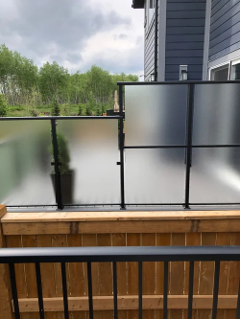
Picture this. You finish a new wall, step back, and the gaps look off. Some feel too wide. Others feel too tight. Spacing is easy to overlook, yet it shapes everything about a horizontal privacy wall. It changes privacy, wind flow, light, and style. We have watched homeowners get this right and get it wrong. Here is how we walk friends through the choice, one step at a time.
Why Slat Spacing Matters More Than You Think
Slat spacing is not only a style choice. It changes how the wall works every day. Tighter gaps give you more privacy. Neighbours and passersby see less. The wall also feels more solid and calm. Wider gaps do the opposite. More light and air pass through, and the wall feels open and modern. Both looks are good. The right pick depends on what you need from your space.
Common Gap Sizes and What They Do
Most walls fall into four simple ranges. Here is how each one behaves in real life.
No Gap or a Hairline Gap
Slats sit tight against each other. This gives the most privacy and a smooth, solid look. Aluminum expands slightly in heat, so even tight builds often keep a very small gap. This works well for hot tub areas, patios beside busy streets, and yards close to neighbours.
About 1/4 to 3/8 Inch
This is the most popular range we see. It blocks most views from a normal angle. It also lets a little air and light pass through. Think of it as the safe middle for backyards, side yards, and general use.
About 5/8 to 3/4 Inch
This range feels lighter and more designed. You still get decent privacy, but you can notice the shadow lines between slats. It suits front yards and patios where you want some privacy without a closed-off feel.
About 1 1/4 to 2 Inches
This is the open style. Light and airflow are the priority here, and privacy takes a back seat. It works best as a feature wall, a decorative screen, or a spot where views matter less.
How to Choose Your Gap Size, Step by Step
Here is the simple process we use. Follow it in order, and the answer usually becomes clear.
Step 1: Decide How Much Privacy You Need
Start with the question that matters most. Who can see into your space today? If you face a busy street or close neighbours, pick a smaller gap. If your yard is already private, you can open the spacing up. Be honest about your real needs, not just your wish list.
Step 2: Think About Wind
Wind is the part people forget. A tight, solid wall catches wind like a sail. That puts more stress on posts and footings. Slightly wider gaps let air pass through. This lowers the force on the wall. If your yard is open or breezy, this step deserves extra thought.
Step 3: Consider Kids and Pets
Small gaps keep little paws and fingers safe. They also keep balls from rolling out. Smaller gaps leave fewer places to grab, too. If you have a curious dog or a toddler, lean toward the narrower end of the range.
Step 4: Check the View From Different Angles
A wall looks different from across the street than from inside your patio chair. Horizontal slats show more when you look straight at them. Standing at an angle blocks more of the view. Stand where people would normally stand. Then look at a sample board. A quick test beats any guess.
Step 5: Match the Gap to Your Space
Slat width and gap size work together. A wide slat with a small gap feels bold and solid. A narrow slat with the same gap feels busier and lighter. You also need the numbers to work. Here is a simple example. Say your wall is 72 inches tall and you use 13 slats that are 5 inches wide. The slats take up 65 inches.
The remaining 7 inches get split across 12 gaps. That gives you just over half an inch per gap. A good installer runs this math before cutting anything. It keeps the spacing even from top to bottom.
When the Gap Is Not Totally Your Choice
Sometimes the space makes the decision for you. Knowing these cases saves you time and money.
Pool Areas
Pool barriers follow strict safety rules. In most areas, openings must stop a 4-inch sphere from passing through. Horizontal slats can also act like a ladder, so extra limits often apply. Always check your local code before you pick a spacing. Rules vary by city and state.
Long Wall Runs
A long wall behaves differently from a short one. Tighter spacing often adds strength and reduces movement over long distances. It helps the whole run feel steadier in wind.
Fixed Openings
If your wall sits between existing posts, brick columns, or a house wall, the space is already set. Your installer adjusts the gap slightly so full slats fit evenly. This keeps the finished horizontal privacy wall looking balanced instead of cut off at the top.
HOA and Local Rules
Some neighbourhoods set limits on height, style, and openness. A quick call to your HOA or city office can prevent a costly redo. It takes ten minutes and saves a lot of stress.
Mistakes We See Most Often
A few simple errors show up again and again. You can avoid every one of them.
● Choosing by photo alone. Photos can hide how much you can see through a wall in person. Always test a sample first.
● Ignoring wind. A tight wall in an open yard puts extra stress on the posts. Think about airflow before you finalize spacing.
● Skipping the math. Uneven gaps look sloppy from across the yard. Measure the full height and plan the slat count first.
● Forgetting local rules. Pool and HOA rules can override your plan. Check them early so you do not rebuild later.
FAQs
Q - What is the best gap between slats for privacy?
A - For maximum privacy, choose no gap or about a quarter inch. This blocks most views and still allows a little air through. Wider gaps trade some privacy for light and airflow.
Q - How much space should you leave between horizontal fence slats?
A - Most homeowners choose between 1/4 inch and 3/4 inch. Smaller gaps favor privacy. Larger gaps favor airflow and light. Your yard, wind, and view should guide the final pick.
Q - Can people see through a horizontal slat fence?
A - Yes, at certain angles. Wider gaps and head-on views show more. Tighter gaps, deeper slats, and angled views block more. Test a sample from the street before you decide.
Q - Do gaps between slats help with wind?
A - Yes. Gaps let air pass through instead of pushing against a solid surface. This lowers the wind load on posts and footings. Strong posts and proper footings still matter.
Q - Does slat spacing change the look of a privacy wall?
A - Yes. Tight spacing gives a smooth, solid look. Wider spacing adds shadow lines and a lighter, modern feel. Slat width changes the pattern too, so view both together.
Ready to Plan Your Horizontal Privacy Wall?
Choosing a gap does not have to feel stressful. Start with your privacy needs, add wind and safety, then fit the math to your space. That simple order works almost every time.
We would love to help you get it right. At Republic Railing, we build custom aluminum privacy walls and railings, and we can guide you toward a spacing that fits your yard, your budget, and your style. Reach out today, tell us about your project, and let us help you build a horizontal privacy wall you will enjoy for years.A