How Do Horizontal Black Stair Railings Compare With Vertical Pickets on Modern Stairs?
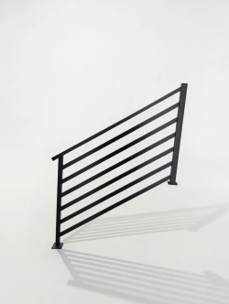
Picture walking up a modern staircase with bold dark lines across it. It looks sharp for good reason. A horizontal black stair railing feels sleek, open, and confident. Classic vertical pickets still have a loyal following, though.
We have helped friends and neighbours weigh both styles, and the right pick depends on your home, your family, and your local rules. Here is a simple guide to help you decide.
The Quick Answer: Horizontal vs. Vertical
Horizontal rails give a sleek, open look and keep views clear. Vertical pickets feel more traditional and are harder for small kids to climb. Neither style wins for everyone. Your best choice depends on three things. Think about your style, who uses the stairs, and what your local building code allows.
| Feature | Horizontal Rails | Vertical Pickets |
|---|---|---|
| Look | Modern and wide | Classic and structured |
| Views | Very open | Slightly more interrupted |
| Climbing risk | Higher for toddlers | Lower |
| Best for | Open floor plans | Homes with young kids |
How Each Style Looks on Modern Stairs
Horizontal rails run parallel to the floor. Their lines stretch across the room and make it feel wider. This works well in homes with open floor plans and big windows. Vertical pickets create a steady up-and-down rhythm. They suit traditional, farmhouse, and transitional homes.
They also feel more formal and structured. Colour matters just as much as direction. Black works well with both styles. In a horizontal black stair railing, the thin dark lines frame the view like a picture frame. Against light walls and wood treads, the contrast looks crisp and planned.
The Climbing Question
This is where we slow people down. Horizontal bars can work like ladder rungs. A curious toddler may climb them to reach the top. Vertical pickets give little to grab, so climbing is much harder. If you have toddlers or a very active pet, vertical pickets are the safer starting point. For older kids and adults, a well-built horizontal system can work fine.
A few habits help with either style. Keep benches, toys, and furniture away from the railing so nothing becomes a step stool. Also remember that strong posts and firm fasteners matter as much as the design.
Code Basics
Codes exist to protect your family, so we always start here. In Canada, most rules trace back to the National Building Code. Each province then adopts its own version, such as the Ontario Building Code or the British Columbia Building Code. Your municipality may add local rules, and condo boards often have their own guidelines.
Here are the common numbers to know:
● Openings: A 100 mm (4 inch) ball should not fit through gaps in the guard.
● Guard height: About 900 mm (35 inches) is common for stairs inside a home. Balconies and raised decks with a bigger drop often need 1,070 mm (42 inches).
● Handrail height: The handrail usually sits between 865 mm and 965 mm (34 to 38 inches) above the tread edges.
Cable systems need extra care. Cables can flex when pushed, so they are often spaced about 75 mm (3 inches) apart and kept tight. Rules on climbable designs can also differ by building type. Always confirm the exact numbers with your local building office before you buy.
Views and Light
Horizontal designs shine when you have something worth looking at. Thin bars or cables let the eye travel straight through. A staircase near a large window or a backyard view is a great match. Vertical pickets still let light pass. They simply break the view into narrow slices. Wider spacing helps, but the 100 mm rule sets the limit.
How Black Finishes Hold Up
Most black railings are aluminum or steel with a powder-coated finish. Powder coating is a baked-on, dry paint. It is tougher than regular brush paint. Aluminum does not rust, which helps in wet climates and near road salt. Steel needs a strong coating to stay rust-free.
A horizontal black stair railing in either metal can last for years with basic care.
Canadian winters add a few things to think about. Outdoor railings face freezing temperatures, snow, and de-icing salt. A spring rinse with fresh water and mild soap clears salt residue. Touch up any chips soon, since bare metal can start to corrode.
Black also has a few quirks. It shows dust, pollen, and water spots more than some colours. A quick wipe keeps it looking fresh. In summer sun, dark metal can feel warm, so test a sample on a hot afternoon.
Installation and Upkeep
Horizontal systems take careful work. Each bar or cable must sit level and evenly spaced. Cable runs also need tension checks over time, since cables can loosen with big temperature swings. Vertical pickets are often simpler to install. Still, each one must be fastened tightly at the top and bottom rails. Loose fasteners can make pickets wiggle.
In our experience, posts matter most for either style. A railing is only as strong as its posts and anchors. Outdoors, posts also need to handle frost and freeze-thaw cycles. A skilled installer is worth the cost for both styles.
How to Choose in Five Steps
Name your top goal: Decide if you care most about views, safety, or a classic look.
Think about who uses the stairs: Toddlers, pets, and older adults each have different needs.
Check your local rules: Look up your provincial building code, municipal bylaws, and any condo board guidelines.
Pick a material and finish: Choose one that suits your climate and your cleaning habits.
Test a sample: View the finish in your own light, next to your own walls and treads.
FAQs
Q - Are horizontal railings allowed on stairs in Canada?
A - Often yes, especially in single-family homes. Rules vary by province and building type. Gaps must stop a 100 mm (4 inch) ball. Check with your local building office before you buy anything.
Q - Do black railings show dirt and scratches?
A - Black shows dust, pollen, and water spots more easily. Small scratches can show too. A soft cloth with mild soap keeps it clean, and touch-up paint hides minor chips.
Q - What is the safest railing style for toddlers?
A - Vertical pickets are usually the safest choice. They offer little to grip or step on. Keep gaps under 100 mm (4 inches) and keep furniture away from the railing.
Q - Can I mix horizontal and vertical railings in one home?
A - Yes, some homeowners do. They might use horizontal rails on a view-facing deck and vertical pickets on indoor stairs. Keep the black finish and post style the same so everything looks connected.
Q - How does a black railing handle Canadian weather?
A - A quality powder-coated aluminum railing handles snow, cold, and sun well. Metal gets very cold in winter, so grip covers or gloves help. Rinse off road salt each spring.
Ready to Pick Your Stair Railing?
We love helping people find a railing they will enjoy for years. If you are leaning toward a horizontal black stair railing, or still weighing it against vertical pickets, we are happy to talk it through. At Republic Railings, we offer aluminum railings and privacy walls built for real homes and real budgets.
Visit republicrailings.com to see what we do, and let's turn your staircase into a space you are proud of.