How Can a Decorative Privacy Wall Define an Outdoor Space Without Closing It In?
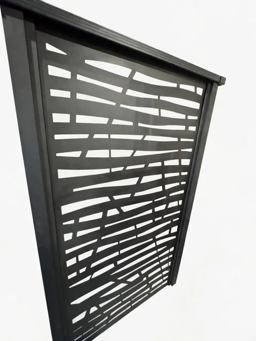
Ever sat on your patio and felt like the whole street was watching? We hear this from homeowners all the time. A decorative privacy wall can fix it without turning your yard into a box. It blocks the views you dislike and keeps the ones you love.
Our team has learned a few simple rules from years of outdoor projects. In this guide, we walk you through them step by step, like a friend who has already made the mistakes.
What It Means to Define a Space Without Closing It In
Defining a space means giving it edges. Enclosing a space means sealing it off. A good decorative privacy wall does the first job and skips the second. Here is the short answer. Place the wall only where it blocks an unwanted view. Use slats, patterns, or partial height so light and air still pass through.
Leave other sides open toward your best views. Think of a rug under a dining table. It marks the area without building walls around it. A well-planned wall works the same way, only at eye level.
Step 1: Write Down What You Want to Protect
Start with one simple sentence. Name the activity, the viewer, and the time of day. For example: "I want privacy at the dinner table from the neighbor's upstairs window at 7 p.m." This small step saves money. Most yards have only one or two uncomfortable views, so you rarely need to wrap the whole space.
Next, list what you want to keep. It might be a shady tree, open sky, or a clear view of the kids playing. We always protect those views on purpose, since they matter as much as the ones we block.
Step 2: Find Your Sightlines
A sightline is the straight path a person's eyes take. Finding yours takes about ten minutes. Here is how we do it:
Sit in your usual seat and note who can see you.
Ask a helper to hold a large sheet of cardboard between you and the view.
Move the cardboard until the view is blocked, then mark the spot with tape or a stake.
Stand up and repeat, because standing changes the angle.
Check again in the morning, afternoon, and evening.
Indoor lights can change the picture too. A window may look private by day and show the whole room at night. Keep this in mind as you plan.
Step 3: Pick a Style That Lets Light Through
The style of the wall decides how open it feels. These are the most common choices:
● Slats: Gaps between boards let light and air pass while breaking up direct views.
● Louvered panels: Angled blades block views from one side and still let breezes through.
● Pattern cutouts: Shapes cut into metal panels hide details and create soft shadows.
● Partial-height panels: A lower wall shields seated guests while the sky stays fully visible.
Small gaps give more privacy, and wider gaps give more light. Most people land on a middle setting. We often suggest slats or patterns for small yards. A decorative privacy wall with a pattern also works like garden art. By day, it casts gentle shadows on the patio. At night, lights placed nearby make it glow.
Step 4: Choose the Right Height and Placement
Taller is not always better. A full-height wall can feel heavy in a small yard. Try a wall just tall enough to block the view from a seated position, then adjust from there. Placement matters just as much. Put the wall close to the seating area instead of at the far edge of the yard.
This blocks the view with less material and leaves the rest of the space roomy. You can also stagger two shorter walls with a gap between them.
This breaks a diagonal view better than one long wall. It also keeps walking paths open. Wind is another factor. Solid walls catch strong gusts, while open designs let some air pass. That can lower the load on the posts.
Step 5: Match the Material to Your Climate
Material affects both looks and upkeep. Here is a quick comparison:
● Aluminum: Light, rust resistant, and holds powder-coated color well. It needs very little care.
● Wood: Warm and natural, but it needs sealing or staining to resist weather and insects.
● Composite: Resists rot, though some types can fade or get warm in strong sun.
● Steel: Very strong, but it needs a good coating to prevent rust.
In our experience, upkeep is the real cost of any wall. A material you never repaint often wins over time. Whatever you choose, a well-built decorative privacy wall should stay straight and look good for years.
Step 6: Check the Rules Before You Build
Rules change from city to city. Some areas limit wall height, and front yards often have lower limits. Homeowner associations may also have style rules. Call your local building office before you buy anything.
Confirm your property line as well. Do not assume an old fence sits in the right spot. Then call 811 a few days before digging. This free service marks buried utility lines so your posts do not hit them.
Step 7: Test It Before You Commit
Build a simple mock-up with cardboard, a tall board, or a bed sheet on stakes. Keep it safe and leave it up only in calm weather. Watch how it changes shade, breeze, and views from inside the house. If it feels too big, shrink it. The smallest version that works is usually the right one.
Common Mistakes We See
● Building too tall: Extra height adds cost and shade without adding much privacy.
● Placing it too near a window: The wall can make indoor rooms feel dark.
● Skipping the evening check: Night lighting can reveal what daytime hid.
● Forgetting upkeep: Materials that need yearly painting get old fast.
FAQs
Q - What can I use for privacy instead of a fence?
A - Tall planters, slatted screens, outdoor curtains, trellises with climbing plants, and partial walls all work. Choose based on the view you want to block and how much light you want to keep.
Q - What is the cheapest way to add privacy to a backyard?
A - Start by moving furniture so seats face away from the view. Then add tall potted plants or an outdoor curtain. Test these low-cost fixes before paying for any permanent wall.
Q - Do privacy walls make a yard feel smaller?
A - Tall solid walls can. Slatted, patterned, or partial-height walls usually do not, because light and air still pass through. Leaving one side open toward a nice view also keeps the space feeling large.
Q - Can a privacy wall reduce noise?
A - A little. Dense, solid walls block more sound than open slats. Even so, no wall cuts noise completely. Adding plants and soft furnishings nearby can help a bit more.
Q - How do I make a privacy wall look attractive?
A - Match the finish to your home's trim or railings. Add climbing plants, planters, or soft lighting. Patterned panels also turn a plain barrier into a feature people enjoy looking at.
Ready to Plan Your Own Outdoor Privacy Solution?
We love helping people find the sweet spot between private and open. If you are picturing a decorative privacy wall for your patio, deck, or yard, we would be glad to talk it through. At Republic Railings, we offer aluminum railings and privacy walls made to fit real homes and real budgets. Visit republicrailings.com to see what we do, and let's plan a space you will actually want to sit in.